
Expert Sydney Piano Tuning: Eastern Suburbs, North Shore & West
- kevin00658
- May 9
- 6 min read
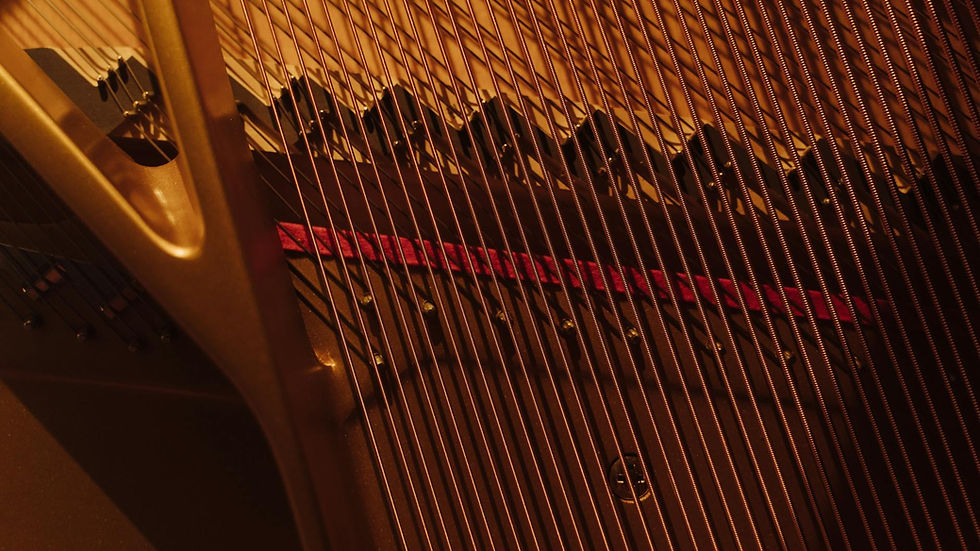
The piano is often described as a mechanical masterpiece, a complex arrangement of wood, felt, steel, and iron that functions as a single, living instrument. For those of us living in the vibrant landscape of New South Wales, maintaining this instrument is not just about aesthetics, but about the preservation of musical integrity. Whether you are a concert pianist residing in the prestigious estates of the Eastern Suburbs or a dedicated student practicing in the family homes of the West, the environmental stressors affecting your instrument are significant. Piano Tuning Sydney understands that a piano is an investment that requires precise, professional care to remain both functional and inspiring.
In this guide, we explore the nuances of maintaining your instrument, the impact of local geography on pitch stability, and why professional intervention is the only viable path to long-term performance. You will learn about the mechanics of sound, the importance of environmental control, and the professional standards required for effective restoration.
Understanding the Mechanics of Sydney Piano Tuning
Professional piano tuning is far more than simply twisting pins until a note sounds correct. It is a scientific process rooted in physics, specifically the study of harmonics and string tension. A standard piano contains over 200 strings, each exerting roughly 150 to 200 pounds of tension. When combined, the total pressure on the iron frame can exceed 20 tons. Sydney piano tuning requires an expert who understands how these forces interact and how the wood of the soundboard reacts to the fluctuating humidity levels unique to our coastal climate.
The Science of Pitch Stability
Pitch stability is the primary indicator of a healthy instrument. When a piano falls out of tune, it is rarely because the pins are slipping. Instead, it is almost always due to the movement of the soundboard. The soundboard acts as a diaphragm, expanding and contracting with changes in humidity. In the Eastern Suburbs, where salt-laden ocean air and humidity are constant factors, the wood absorbs moisture, swelling and pushing the bridge upward. This increases string tension and raises the pitch. Conversely, dry winter months can cause the wood to shrink, leading to a drop in pitch.
- Regular tuning sessions every six months are essential to prevent structural fatigue.
- Seasonal shifts require a proactive approach rather than a reactive one.
- Professional technicians use specialized lever techniques to ensure the pin remains stable under the high torque required for professional performance.
Regional Considerations: Eastern Suburbs, North Shore & West
Geography plays a larger role in instrument maintenance than most owners realize. Piano Tuning Sydney provides tailored services across these regions, acknowledging that the microclimates in each area demand different maintenance schedules.
Coastal Challenges in the Eastern Suburbs
The Eastern Suburbs present unique hurdles for piano owners. The proximity to the ocean increases the risk of corrosion on internal metal components, including the tuning pins and string coils. Eastern Suburbs repair is not just about fixing a broken action, but about mitigating the effects of salt air. We recommend specialized climate control systems for clients in these zones to stabilize the internal moisture content of the instrument, protecting both the strings and the delicate felt hammers from premature decay.
Precision Maintenance on the North Shore
The North Shore features a mix of older, established properties and modern homes, often surrounded by lush, established greenery. The ambient humidity here can be quite high, especially during the wetter months. North Shore tuning services focus on the delicate balance required for grand pianos in larger, open-plan living areas. Because these environments often have high ceilings and significant natural light, the piano acts as a barometer for the room, shifting rapidly with temperature changes. Our expertise in this area ensures that even in challenging acoustic spaces, the instrument remains in concert-ready condition.
Environmental Stability in Western Sydney
The Western suburbs experience more extreme temperature fluctuations compared to the coastal regions. During the summer, the heat can be intense, drying out the glue joints and causing the soundboard to lose its crown. Our maintenance programs for the West focus on preventative care, ensuring that the piano’s action is regulated to compensate for the contraction and expansion that occurs during extreme heat waves. Proper regulation is the key to maintaining a responsive touch, regardless of the outdoor temperature.
The Essential Nature of Professional Repairs
While regular tuning is necessary for pitch, repair is necessary for longevity. A piano that is not regularly serviced will develop mechanical issues that affect the touch and tone. Often, owners believe their piano is simply old and worn out, when in reality, it is merely in need of expert attention.
Identifying Common Wear and Tear
- Hammer Felt Hardening: Over time, the felt on the hammers packs down and becomes hard, resulting in a bright, harsh tone that loses its warmth.
- Action Friction: Sticky keys or a sluggish action are often caused by the swelling of the center pins, which can be corrected through precision adjustment.
- Bridge Cracks: If the bridge, which transfers vibration to the soundboard, develops a crack, the energy of the string is lost, resulting in poor sustain and thin sound.
- Damper Regulation: If the dampers are not lifting at the precise moment of key depression, it results in ghosting notes or a muddy, indistinct sound.
Why DIY Solutions Fall Short
There is an abundance of information online regarding DIY piano maintenance, but attempting to tune or repair a piano without the proper training is a recipe for disaster. We have encountered numerous instances where an amateur attempt at turning a tuning pin has resulted in a snapped string or, worse, a cracked pinblock. The tools required for professional service are calibrated to specific tolerances, and the skill set required to balance the tone across all 88 notes takes years to master. Trusting your instrument to a professional ensures the long-term value of your asset is preserved.
Frequently Asked Questions
How often should I have my piano tuned?
Most manufacturers and professional technicians recommend having your piano tuned at least twice per year. This frequency accounts for the major seasonal shifts in humidity and temperature, which are the primary drivers of pitch fluctuation in Sydney environments.
Is it possible to fix a piano that hasn't been tuned in ten years?
Yes, absolutely, though it will likely require a pitch raise before a fine-tuning can be performed. Because the instrument has lost significant tension, we must gradually bring the pitch back to concert standard to ensure the frame and string integrity remain secure.
What is the difference between tuning and regulation?
Tuning focuses exclusively on the pitch and harmonic consistency of the strings, whereas regulation involves adjusting the mechanical parts of the piano action. Regulation ensures the touch, repetition, and responsiveness of the keys are uniform across the entire keyboard.
Do I need a humidity control system for my piano?
If you live in an area with high fluctuations in moisture or significant heat, a climate control system is highly recommended. These systems help regulate the environment directly inside the piano cabinet, extending the life of the soundboard and reducing the frequency of required tunings.
Investing in Excellence
A piano is a complex piece of machinery that serves as a medium for artistic expression. When it functions perfectly, it is an extension of the performer's soul. When it is out of tune or mechanically compromised, it creates an invisible barrier between the music and the listener. By prioritizing professional care, you are not just maintaining a piece of furniture; you are protecting a tradition of musical excellence that can last for generations.
Whether you reside in the refined homes of the North Shore, the coastal retreats of the Eastern Suburbs, or the growing suburbs of the West, Piano Tuning Sydney is dedicated to providing the high-level expertise your instrument deserves. We believe that every note should be a testament to the beauty of the craft.
If you have noticed that your piano no longer sings the way it once did, or if you are hearing odd mechanical noises during your practice sessions, it is time to take action. Do not let minor issues evolve into costly repairs. Contact us today to schedule a comprehensive evaluation of your instrument. Our team of experienced technicians will provide a detailed assessment and a customized maintenance plan that respects the unique needs of your specific piano. Experience the difference that professional care makes. Let us bring your instrument back to its peak performance, ensuring that your musical journey remains both effortless and inspiring. Reach out to Piano Tuning Sydney and rediscover the joy of playing a perfectly tuned, expertly maintained piano.



Comments