
The Timeless Art of Piano Tuning in Sydney: Why String Tension Keeps Your Piano in Tune for Years
- kevin00658
- Jan 30
- 4 min read

Pianos are complex instruments that require precise tuning to deliver their rich, resonant sound. Many piano owners struggle with the frustration of their instrument going out of tune just months after a tuning session. Yet, some pianos stay perfectly in tune for years. This difference often comes down to the method used during piano tuning, especially the way string tension is managed. Rodd Kuiper from Piano Tuning Sydney, trained at the original Kawai Factory in Japan, has mastered this timeless art of tuning by focusing on string tension to raise pitch. His approach offers a lasting solution that keeps pianos sounding their best for years, not just months.
Understanding the Role of String Tension in Piano Tuning and Why This Matters in Sydney?
Every piano string produces a specific pitch based on its length, mass, and tension. When a piano tuner adjusts the pitch, they change the tension of the string by turning the tuning pins. The key to a stable tuning lies in how this tension is applied and balanced.
Rodd Kuiper’s training at the Kawai Factory emphasized the importance of pitch raise—a technique that carefully increases string tension to a stable point before fine-tuning the notes. This method contrasts with quick tuning approaches that only adjust pitch without addressing the underlying tension balance.
Why the Timeless Art of Tension Matters in Piano Tuning More Than You Think
String Stretching: New or recently replaced strings stretch over time. If the tension is not properly raised initially, the strings will lose pitch quickly.
Pin Stability for Piano Tuning: Proper tension helps the tuning pins settle firmly into the pinblock, preventing them from slipping.
Sound Quality: Balanced tension ensures consistent tone and volume across the keyboard.
By mastering tension control, a piano tuner can extend the period a piano stays in tune, reducing the need for frequent tuning sessions.
Rodd Kuiper’s Journey to Mastering Piano Tuning
Rodd Kuiper’s story begins in Japan, where he trained at the original Kawai Factory. This experience gave him deep insight into the craftsmanship behind piano construction and tuning. Unlike many tuners who learn shortcuts, Rodd embraced the traditional Japanese approach, which focuses on patience, precision, and respect for the instrument.
When he returned to Sydney, he brought this knowledge to his work at Piano Tuning Sydney. His clients noticed a remarkable difference: their pianos stayed in tune longer, sounded richer, and required fewer adjustments.
The Difference and Precision of Concert Tuning Techniques
Concert tuning demands the highest level of precision. Rodd applies similar principles to every piano he tunes, whether for a concert hall or a private home. This includes:
Raising the pitch gradually to avoid sudden tension spikes
Checking and adjusting each string’s tension carefully
Using specialized tools to ensure tuning pins are secure
This attention to detail is why his piano tuning services are trusted by musicians and piano owners across Sydney.
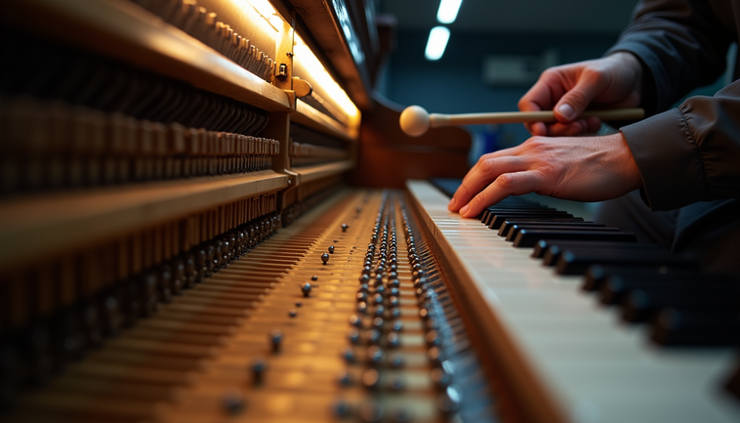
How Proper Pitch Raise Extends Piano Tuning Life
Pitch raise is the foundation of long-lasting tuning. It involves bringing all strings up to a stable tension level before tuning each note precisely. Here’s how it works:
Initial Tensioning: The tuner raises the pitch of all strings slightly above the target pitch.
Settling Time: The strings and pins settle into their new tension, reducing slack.
Fine Tuning: The tuner lowers the pitch to the exact desired note, ensuring stability.
This process prevents the strings from loosening quickly and keeps the piano sounding consistent. Without pitch raise, strings can slip or stretch, causing the piano to go out of tune within weeks or months.
Beyond Tuning: The Role of Piano Restoration
Sometimes, tuning alone is not enough to keep a piano stable. Older pianos or those with worn parts may need piano restoration to improve their tuning stability. This can include:
Replacing worn tuning pins or pinblocks
Repairing or replacing strings
Fixing structural issues that affect tension
Rodd Kuiper’s expertise extends to restoration, ensuring that the piano’s physical condition supports long-term tuning stability. This holistic approach benefits piano owners who want their instrument to last for decades.
Why Choose a Skilled Piano Tuner for Your Instrument
Not all piano tuners use the same methods or have the same level of training. Choosing a tuner like Rodd Kuiper from Piano Tuning Sydney means selecting someone who understands the science and art behind tuning.
Benefits of working with a skilled piano tuner include:
Longer intervals between tuning sessions
Improved sound quality and pitch accuracy
Reduced risk of damage to strings and pins
Personalized care based on the piano’s condition and use
For pianists, music teachers, and enthusiasts, this expertise translates into a better playing experience and less maintenance hassle.
Practical Tips for Piano Owners to Maintain Tuning
While professional tuning is essential, piano owners can also take steps to help their instrument stay in tune longer:
Keep the piano in a stable environment with consistent temperature and humidity
Avoid placing the piano near heating vents, windows, or direct sunlight
Schedule regular tuning sessions with a trusted piano tuner
Address any mechanical issues promptly through restoration or repairs
These practices support the work of the tuner and protect the piano’s delicate balance of string tension.
The Lasting Impact of Traditional Piano Tuning Techniques
The old way of piano tuning, focusing on string tension and pitch raise, remains relevant because it respects the physics of the instrument. Rodd Kuiper’s training at the Kawai Factory and his work in Sydney demonstrate that this approach delivers results that modern shortcuts cannot match.
Piano owners who invest in this timeless art enjoy instruments that stay in tune for years, not just months. This stability enhances the joy of playing and preserves the piano’s value over time.
Comments